
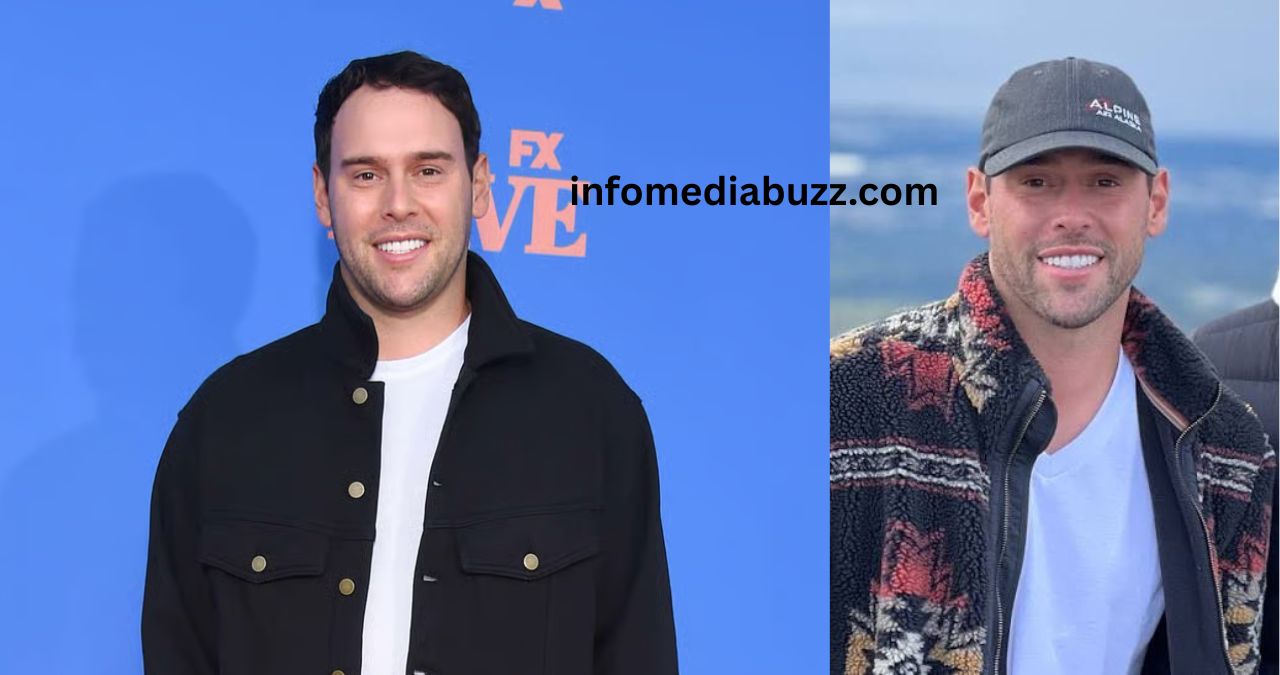
The scooter braun controversy became one of the biggest music-business stories of the modern era, bringing questions about artist rights, music ownership, contracts, business power, and personal disagreements into the spotlight. At the center of the story was music executive and manager Scooter Braun and his 2019 acquisition of Big Machine Label Group, the company that owned the master recordings of Taylor Swift’s first six studio albums.
The disagreement quickly became much bigger than a business transaction. Taylor Swift publicly criticized the deal and described Braun as someone who had caused her personal and professional distress. Braun and Big Machine disputed important parts of her account, creating two very different versions of events. The public debate became especially intense because millions of fans joined the conversation online.
Over time, the story also changed. Braun later sold the catalog, Swift began releasing her own re-recorded versions, and Braun eventually stepped away from artist management. In 2024, he said that he believed it was time for people to move on from the feud, while in 2025 he stepped down as CEO of HYBE America and moved into an advisory role.
Understanding this controversy requires more than choosing one side. The most useful approach is to examine what happened, what each side claimed, why music ownership mattered so much, and what the entire episode taught the entertainment industry.
Who Is Scooter Braun?
Scooter Braun is an American music executive, entrepreneur, and talent manager who became one of the most powerful figures in the entertainment business.
He became widely known after helping build the career of Justin Bieber. Over the years, his management company also worked with major performers such as Ariana Grande, Demi Lovato, J Balvin, Tori Kelly, Carly Rae Jepsen, and others. His career expanded beyond traditional artist management into investments, entertainment companies, publishing, and music rights.
Braun’s rise was remarkable because he was not simply working behind the scenes as a traditional manager. He built a large business empire around artists and entertainment properties.
Some important parts of his career include:
- Discovering and managing Justin Bieber during his early career.
- Building SB Projects into a major entertainment management company.
- Working with Ariana Grande and other major performers.
- Organizing the 2017 One Love Manchester benefit concert.
- Acquiring Big Machine Label Group through Ithaca Holdings.
- Selling Ithaca Holdings to HYBE in a deal valued at about $1.05 billion.
- Becoming CEO of HYBE America.
- Later leaving day-to-day artist management and moving toward executive and advisory work.
So, although the Taylor Swift dispute became a defining part of public discussion about Braun, it represented only one chapter in a much larger career.
What Started the scooter braun controversy?
The central event occurred in 2019, when Braun’s company, Ithaca Holdings, acquired Big Machine Label Group.
Big Machine was founded by Scott Borchetta, who signed Taylor Swift when she was a teenager. Under Swift’s original recording agreement, Big Machine owned the master recordings of the albums she released through the label.
The acquisition therefore meant that Braun’s company gained control of the master recordings of Swift’s first six albums. The reported value of the larger Big Machine transaction was more than $300 million.
For Braun, the deal was a major business acquisition.
For Swift, however, it was deeply personal.
Swift said she had learned about Braun’s acquisition of her masters when the news became public. She strongly objected to Braun controlling the recordings and described the situation as her “worst case scenario.” She also accused Braun of years of what she characterized as bullying and manipulation.
That reaction transformed an ordinary-looking business deal into a worldwide entertainment controversy.
Why Were Taylor Swift’s Masters So Important?
To understand the scooter braun controversy, it’s essential to understand what a master recording is.
A master is the original recorded version of a song or album. Ownership of the master can give a company important rights over how that particular recording is licensed and commercially used.
This doesn’t necessarily mean the artist owns nothing connected to the song. Copyright in the underlying composition can be separate from ownership of the sound recording.
In simple terms, imagine a songwriter creates a song and then records it. There can be different rights connected to:
- The written song.
- The recorded performance.
- The master recording.
- Licensing the recording for movies or television.
- Streaming and commercial uses.
- Future versions and re-recordings.
Swift’s disagreement focused heavily on the master recordings of her early albums.
The Guardian explained that Big Machine owned the masters under the terms of Swift’s earlier record deal, while Swift later moved to Universal Music Group.
This distinction is extremely important because the public sometimes simplified the dispute as “Scooter Braun owned Taylor Swift’s songs.” The actual legal and business situation was more complicated.
Taylor Swift’s Side of the Dispute
Swift’s objections were about both ownership and personal history.
She argued that she had not been given a fair opportunity to purchase her masters before they were acquired by Braun’s company. She also objected strongly to Braun himself becoming the owner.
In her 2019 statement, Swift connected Braun with painful experiences involving people in his professional circle. She also criticized Scott Borchetta, saying that her long relationship with Big Machine had ultimately left her without ownership of the recordings she had helped create.
Her argument had several important elements:
- She wanted greater ownership of her creative work.
- She disliked the idea of Braun controlling her early catalog.
- She believed the transaction was unfair to her.
- She wanted younger artists to understand the importance of contracts.
- She wanted to regain control through re-recording her older material.
Her message resonated with many musicians and fans because ownership has always been a sensitive subject in the music industry.
After all, an artist may spend years creating an album, promoting it, touring behind it, and building an emotional connection with listeners. If another company controls the master, the artist may have less authority over that particular recording than many fans realize.
Scooter Braun’s Response
Braun did not agree with Swift’s characterization of the situation.
Initially, Braun criticized the public nature of the disagreement and said he did not want the conflict to become a social-media battle. Later, he addressed Swift directly and said he was shocked and disappointed that she felt he had treated her poorly. He also said he had attempted to communicate with her and wanted to find a solution.
Braun’s position was essentially that:
- He did not believe he had personally mistreated Swift in the way she described.
- He wanted the dispute resolved.
- He did not want artists to feel bullied or trapped.
- He believed private communication would be more productive.
- He objected to the intense online backlash surrounding the dispute.
Braun also reported that his family received serious threats during the controversy. That part of the story is important because public disagreements involving celebrities can sometimes move beyond criticism and into dangerous behavior.
Criticism of a public figure is one thing; threats against that person’s family are another.
Big Machine’s Response
Big Machine also disputed Swift’s version of events.
In November 2019, the company said it had not prevented Swift from performing her older songs at the American Music Awards and said it did not have the legal power to stop her from performing live. The company also rejected the claim that it had blocked her Netflix documentary.
Swift’s representatives responded with their own account. They cited communications from Big Machine concerning licensing existing recordings and waivers connected with her projects.
This disagreement illustrates why the controversy became so confusing.
There were several different questions happening at the same time:
| Issue | Swift’s position | Braun/Big Machine position |
|---|---|---|
| Ownership of early masters | She strongly opposed the situation | The acquisition was a legitimate business transaction |
| Performing older songs | Swift said restrictions had been raised | Big Machine said it did not block live performances |
| Netflix documentary | Swift said licensing was a problem | Big Machine denied blocking the documentary |
| Re-recording | Swift wanted to re-record her old work | The company had contractual concerns around the process |
| Public debate | Swift spoke publicly about the dispute | Braun argued for direct communication |
| Long-term solution | Swift pursued ownership through re-recordings | Braun later sold the catalog |
The table shows why the story can’t accurately be reduced to a simple “good person versus bad person” argument.
The American Music Awards Dispute
One of the most dramatic moments came in November 2019.
Swift planned to perform at the American Music Awards, where she was being recognized as Artist of the Decade. She said she had been told that using her older material could create problems connected to her plans to re-record her music.
Her public statement caused a huge reaction online. Fans quickly rallied behind her, and the hashtag #IStandWithTaylor became widely discussed.
Big Machine responded that Swift was free to perform her old songs live.
This distinction between performing a song live and using an existing master recording is important. Music rights can involve several layers, and television performances can involve additional licensing questions.
Eventually, Swift performed her older songs at the AMAs.
The episode showed just how powerful a celebrity’s public platform could be when combined with a complicated business dispute.
The Role of Social Media in the Controversy
Social media changed the nature of the conflict.
In earlier decades, a disagreement between an artist and a record executive might have been handled privately through lawyers, meetings, or industry publications.
In 2019, however, a celebrity could communicate directly with millions of followers within minutes.
That gave Swift enormous influence over the public conversation.
At the same time, Braun faced a difficult situation because criticism spread quickly and was often emotionally charged. He later said that his family received threats during the dispute.
The episode offers a broader lesson:
Social media can give artists a voice, but it can also make private disputes harder to resolve.
When millions of people become involved, a disagreement can become an online movement. Once that happens, facts, opinions, rumors, and emotions can become mixed together.
Why Artist Ownership Became the Bigger Issue
Perhaps the most important legacy of the scooter braun controversy is the discussion it created about ownership.
For years, many young performers signed traditional record contracts without fully understanding how master ownership worked.
Swift’s situation helped bring this subject into mainstream conversation.
An emerging artist should think carefully about:
- Who owns the master recordings?
- How long does the agreement last?
- What rights does the label have?
- Can the artist buy the masters later?
- What happens if the label is sold?
- Who controls licensing?
- Can the artist re-record the music?
- What percentage of revenue does each party receive?
- What happens if the contract ends?
These aren’t exciting questions when someone is dreaming about becoming a famous singer. Still, they’re incredibly important.
A record deal can affect an artist’s career for decades.
Taylor Swift’s Re-Recording Strategy
Swift’s response was not limited to public criticism.
She began re-recording her older albums under the “Taylor’s Version” project.
This was a clever business and artistic strategy because it allowed her to create new master recordings of songs that she had originally recorded for Big Machine.
The new recordings gave fans an alternative version to stream and purchase. More importantly, they helped Swift build a catalog that she had greater control over.
The strategy became enormously successful.
Albums such as Fearless (Taylor’s Version) and Red (Taylor’s Version) demonstrated that an artist could turn a dispute over ownership into a major creative campaign.
This was a remarkable development because the conversation changed from:
“Who owns the old recording?”
to:
“Can the artist create a new recording that fans choose instead?”
That’s a powerful idea.
The Sale of the Masters to Shamrock Capital
The controversy took another major turn in 2020.
Braun sold the rights connected to Swift’s Big Machine catalog to Shamrock Capital, a private investment company. The transaction was widely reported as being worth more than $300 million.
Swift criticized the sale and said that her music had again been sold without her knowledge.
She also objected to the terms she said had been proposed around a possible transaction involving the catalog. The details became another point of disagreement between the two sides.
This sale meant that Braun was no longer the direct owner of those masters.
However, the controversy did not disappear.
By then, the disagreement had become a larger discussion about artists, investment companies, record labels, and ownership.
Did Scooter Braun Make Money From the Deal?
The financial side has attracted enormous attention.
The Big Machine acquisition was reported at more than $300 million. Later, Braun’s company sold the catalog to Shamrock Capital in a transaction reported at more than $300 million. Industry reporting has debated exactly how much profit Braun made and how the wider deal structure worked.
It is important to be careful with large numbers reported online.
Celebrity wealth websites sometimes provide estimates without showing complete financial records. Business deals can also contain debt, investors, ownership shares, taxes, and other costs that make simple calculations unreliable.
Therefore, readers should distinguish between:
- Reported transaction values.
- Company valuations.
- Estimated personal wealth.
- Actual cash received.
- Profit after expenses and obligations.
That distinction helps prevent exaggerated claims.
The HYBE Chapter
Braun’s business career continued after the Big Machine controversy.
In 2021, HYBE acquired Ithaca Holdings in a deal reported by HYBE at about $1.1 billion. The transaction brought Braun’s entertainment businesses and related assets into HYBE’s larger global structure.
Braun became an important executive within HYBE America.
In 2023, he became the sole CEO of HYBE America.
This was significant because HYBE was expanding beyond South Korea and building a global entertainment business.
Braun’s experience in the American music market made him a natural figure for this expansion.
Did Other Artists Leave Scooter Braun?
Another chapter of the controversy developed when reports emerged in 2023 about artists changing their relationships with Braun’s management company.
Ariana Grande and Justin Bieber were both subjects of extensive reporting about their management arrangements. Reports sometimes conflicted, with different sources giving different accounts. Variety emphasized at the time that the situation involved private contracts and uncertainty about exactly how much Braun was still involved in day-to-day management.
Grande’s departure from Braun’s management was later reported by Variety as confirmed by a source close to the situation.
These developments caused some commentators to connect the departures to the earlier Taylor Swift controversy.
However, that conclusion should be treated carefully.
An artist can leave a manager for many reasons, including:
- Career direction.
- Business strategy.
- Personal priorities.
- Contract timing.
- Changes in management structure.
- The artist’s desire for greater independence.
There isn’t enough evidence to assume that every artist who left Braun did so because of the Swift controversy.
Scooter Braun Leaves Artist Management
In June 2024, Braun officially announced that he was stepping away from artist management after 23 years.
He explained that his priorities had changed and that he wanted to focus more on his children, his executive work, and the next stage of his career. He continued working with HYBE in an executive capacity at the time.
This was a major career transition.
Braun had spent most of his adult life managing artists. Leaving that role meant moving from the daily world of artist careers into broader business leadership.
Then, in July 2025, Braun stepped down as CEO of HYBE America and moved into an executive advisory role while remaining connected to HYBE’s board.
So, the latest chapter of his career is less about traditional artist management and more about executive strategy, investment, and advising.
Braun’s Later Comments About Taylor Swift
The dispute has never completely disappeared from public discussion.
In 2024, Braun commented on the documentary Taylor Swift vs Scooter Braun: Bad Blood. He said that he believed the public should move on from the dispute and argued that direct communication could have been more productive than discussing the conflict publicly.
In 2025, he again spoke about the experience and described it as painful but ultimately important to his personal growth. He also made clear that he did not want to return to artist management.
This shows an interesting change in tone.
The early controversy was filled with anger, accusations, public statements, and fan reactions.
Years later, Braun’s comments became more reflective.
That doesn’t mean everyone involved agrees about what happened. Rather, it shows how public conflicts can look different with the passage of time.
What Can Young Artists Learn From the Controversy?
The scooter braun controversy offers several valuable lessons for new musicians.
Read Every Contract Carefully
A young artist may be excited to receive a record deal. That’s understandable. But excitement shouldn’t replace careful legal advice.
Understand Master Ownership
Artists should learn the difference between songwriting rights, publishing rights, and master rights.
Don’t Assume Success Means Ownership
An artist can become famous while still not owning important parts of their catalog.
Get Professional Advice
Entertainment contracts can be complicated. A qualified music lawyer can explain terms that an artist might otherwise overlook.
Think About the Long Term
A contract signed at age 18 can affect a person’s career at age 30, 40, or even 50.
Keep Communication Clear
The Braun-Swift conflict also shows the value of direct communication. Public statements may be necessary sometimes, but private negotiations can sometimes prevent a disagreement from becoming a worldwide battle.
Why the Controversy Still Matters
The scooter braun controversy remains important because it changed the way many people think about music ownership.
Taylor Swift’s re-recording strategy demonstrated that artists can sometimes find creative ways to regain control of their work.
The dispute also encouraged fans to think about where their money goes when they stream or purchase music.
For the music industry, the controversy became part of a larger movement toward better conversations about:
- Artist ownership.
- Fair contracts.
- Master recordings.
- Publishing rights.
- Streaming income.
- Business transparency.
- Creative control.
In that sense, the story became bigger than two famous people.
It became a lesson about power.
Common Misunderstandings About the Controversy
“Scooter Braun wrote Taylor Swift’s songs.”
No. Braun was a manager and business executive, not the songwriter responsible for Swift’s catalog.
“Braun owned every Taylor Swift song.”
That is too simplistic. The controversy centered on the master recordings associated with her early albums, while songwriting and other rights can be separate.
“Swift could never perform her old songs.”
That statement is misleading. The 2019 dispute involved specific questions about licensing, recorded material, and contractual restrictions. Big Machine publicly said it could not prevent her from performing live.
“The entire music industry agreed with Swift.”
Not exactly. Many people supported Swift publicly, while others defended Braun or Big Machine. The industry response was mixed.
“The controversy ended when Braun sold the masters.”
Not completely. The sale changed who owned the catalog, but the public discussion continued for years.
The Broader Impact on Music Business Culture
The story also reveals how much the music industry has changed.
Artists today can build large audiences without depending entirely on traditional record companies. Social media gives performers direct access to fans. Streaming has changed how catalogs earn money. And successful artists increasingly think of themselves as business owners as well as entertainers.
That shift makes ownership even more valuable.
A famous artist may have several sources of income:
- Music streaming.
- Concerts.
- Merchandise.
- Sponsorships.
- Publishing.
- Brand partnerships.
- Film and television.
- Licensing.
- Investments.
When an artist owns important intellectual property, that catalog can become a long-term asset.
The Swift-Braun dispute helped ordinary fans understand that the music business isn’t only about singing and performing. Behind every hit song, there can be complicated contracts and valuable intellectual property.
A Balanced View of the scooter braun controversy
It is easy to become emotionally attached to a celebrity dispute.
Fans naturally choose sides, especially when they admire an artist’s work. But responsible reporting requires separating confirmed facts from personal accusations and online rumors.
The confirmed broad timeline is clear:
- Big Machine signed Taylor Swift early in her career.
- Big Machine owned the masters of her early albums.
- Ithaca Holdings acquired Big Machine in 2019.
- Swift publicly objected to Braun’s involvement.
- The two sides disputed aspects of the 2019 performance and licensing controversy.
- Braun’s company later sold the catalog to Shamrock Capital.
- Swift pursued re-recordings of her early albums.
- Braun later stepped away from artist management.
- He subsequently moved away from his HYBE America CEO position and into an advisory role.
Beyond those facts, readers should be cautious with claims that depend on private conversations, anonymous sources, or interpretations of motives.
That approach doesn’t make the story less interesting. In fact, it makes it more trustworthy.
The Lasting Legacy of Taylor’s Versions
One of the clearest outcomes of the dispute was the success of Swift’s re-recording project.
By creating new recordings, she turned a difficult business problem into a major artistic and commercial opportunity.
The strategy showed other artists that catalog ownership can be approached creatively.
It also gave fans a choice.
They could continue listening to the original recordings or support the newly recorded versions.
This created an unusual situation in pop music: an artist was effectively competing with earlier versions of her own work.
And, frankly, that was a remarkable business strategy.
Final Thoughts on the scooter braun controversy
The scooter braun controversy is ultimately a story about music, money, ownership, contracts, personal conflict, and changing power in the entertainment industry. It began with the acquisition of Big Machine and Taylor Swift’s early masters, but it became much larger because both sides presented different accounts of the dispute and millions of people became emotionally involved.
The most important lesson isn’t simply about Scooter Braun or Taylor Swift. It’s about understanding ownership before signing an agreement, knowing the value of creative work, and recognizing that a successful career requires both artistic talent and smart business decisions.
Taylor Swift responded to the dispute by pursuing re-recordings and greater control over her catalog. Scooter Braun continued building his business career, eventually leaving artist management and later moving into an advisory role after his time as CEO of HYBE America.
Years after the original dispute, the conversation has become more reflective. The scooter braun controversy remains a useful case study because it reminds artists, fans, managers, and business leaders that creative ownership matters—and that the decisions made at the beginning of a career can have consequences for many years to come.
