
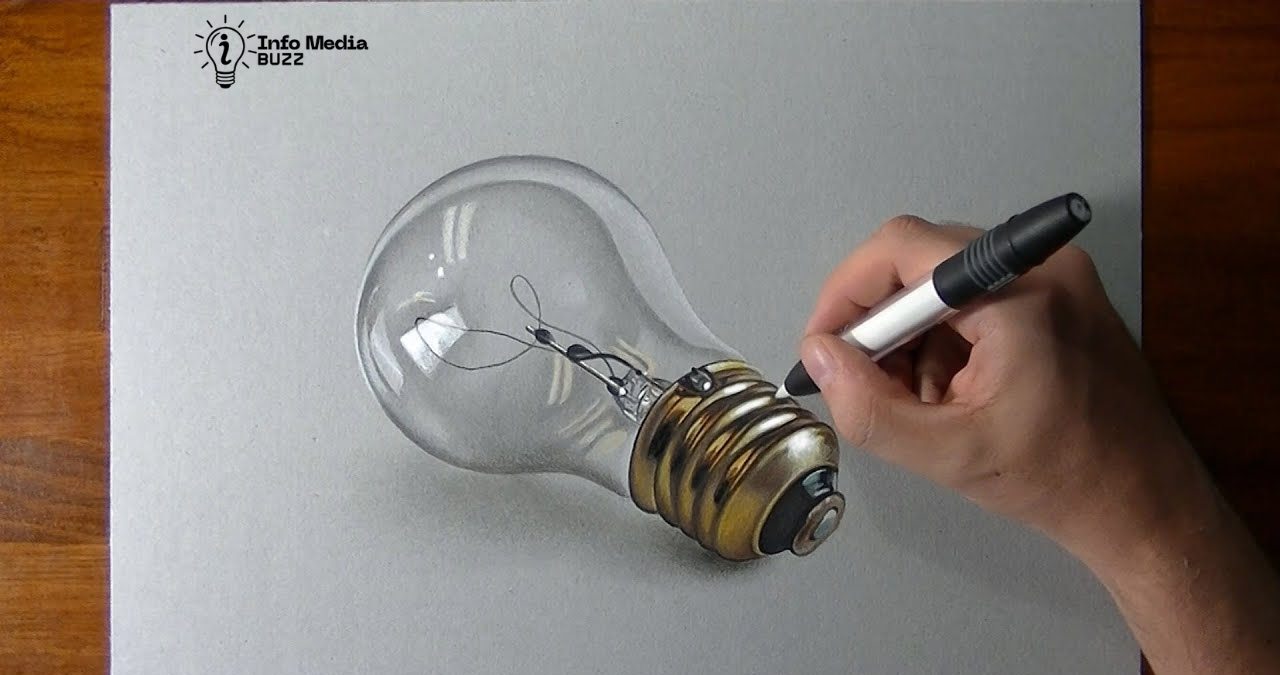
Have you ever had a bright idea pop into your head and wished you could draw it? A simple light bulb drawing is a perfect way to show creativity, imagination, and even emotions. It’s one of the easiest and most fun sketches to learn, especially for beginners. Whether you’re a student, a hobby artist, or just someone doodling in a notebook, this guide will help you create a clear and beautiful light bulb step by step.
Drawing doesn’t have to be hard or scary. In fact, with a few simple shapes and a bit of practice, you can turn a plain sketch into something eye-catching. So grab your pencil, relax, and let’s get started!
Why Light Bulb Drawings Are So Popular
Light bulbs are more than just objects—they represent ideas, innovation, and creativity. That’s why you often see them in cartoons, logos, and even school projects.
Here’s why people love drawing them:
- They are simple and easy to recognize
- They symbolize ideas and inspiration
- They can be drawn in many creative styles
- They are great for beginners
In addition, a light bulb drawing can be playful or serious, depending on how you design it.
Tools You Need to Get Started
Before you begin, you don’t need fancy tools. Simple materials work just fine.
Basic tools:
- Pencil (HB or 2B works best)
- Eraser
- Sharpener
- Plain paper
- Black pen (for outlining)
Optional tools:
- Colored pencils
- Markers
- Crayons
If you’re just starting out, don’t worry about perfection. Even a rough sketch can look great with practice.
Understanding the Shape of a Light Bulb
Before drawing, it’s important to understand the basic shape. A light bulb is made up of a few simple parts:
- A round or oval glass top
- A narrow neck
- A screw base at the bottom
Think of it like a balloon sitting on a small metal stand. Once you break it down like this, it becomes much easier to draw.
Step-by-Step Guide to Drawing a Light Bulb
Let’s walk through the process step by step.
Draw the Top Shape
Start by drawing a large oval or circle. This will be the glass part of the bulb.
Add the Neck
Draw two slightly curved lines coming down from the oval. These lines should be close together.
Sketch the Base
At the bottom, draw a small rectangle or cylinder. Add horizontal lines to show the screw pattern.
Add Inner Details
Inside the bulb, draw a simple filament shape. This can look like a small zigzag or loop.
Outline and Clean Up
Use a black pen to outline your drawing. Then erase any extra pencil marks.
Add Shading or Color
Lightly shade the glass area or add colors to make it pop.
That’s it—you’ve got your first light bulb drawing!
Creative Ideas for Light Bulb Drawings
Once you know the basics, you can get creative. Don’t just stick to a plain bulb—try something new!
Here are some fun ideas:
- Draw a glowing bulb with rays of light
- Turn the bulb into a cartoon character
- Add a brain inside the bulb to show thinking
- Fill it with stars or a galaxy design
- Make it look broken for a dramatic effect
Creativity has no limits. Let your imagination run wild!
Common Mistakes and How to Avoid Them
Everyone makes mistakes while drawing, and that’s okay. But knowing what to watch out for helps a lot.
Common mistakes:
- Drawing the bulb too flat
- Making the base too big or too small
- Forgetting the filament inside
- Uneven lines
Tips to fix them:
- Use light pencil strokes first
- Check proportions before outlining
- Practice simple shapes regularly
Remember, practice makes progress—not perfection.
Simple vs Detailed Light Bulb Drawing
Here’s a quick comparison to help you choose your style:
| Feature | Simple Drawing | Detailed Drawing |
|---|---|---|
| Time Needed | Short | Longer |
| Skill Level | Beginner | Intermediate/Advanced |
| Details | Minimal | High (shading, texture) |
| Use Case | Doodles, school work | Art projects, designs |
Both styles are great—it just depends on what you want to achieve.
Real-Life Uses of Light Bulb Drawings
You might be surprised, but light bulb drawings are used in many real-life situations.
For example:
- Teachers use them in presentations
- Designers include them in logos
- Students draw them in notebooks
- Bloggers use them to show ideas
In fact, a simple light bulb drawing can communicate a message quickly without using words.
Tips to Improve Your Drawing Skills
Want to get better faster? Try these practical tips:
- Practice daily, even for 10 minutes
- Look at real light bulbs for reference
- Try different styles and techniques
- Don’t be afraid to make mistakes
- Watch how light and shadow work
Also, keep your drawings. Over time, you’ll see how much you’ve improved.
Adding Color and Effects
Color can bring your drawing to life. Here are some easy ways to enhance your work:
- Use yellow or white for glow effects
- Add blue or gray shading for glass
- Blend colors for a realistic look
- Use highlights to show reflection
A little color can turn a simple sketch into something amazing.
Making Your Drawing Stand Out
If you want your artwork to shine, try these ideas:
- Add a background (like a dark sky)
- Use bold outlines
- Combine it with text or quotes
- Experiment with patterns inside the bulb
The key is to make your drawing unique. There’s no right or wrong way—just your way.
Conclusion
Drawing can feel tricky at first, but it gets easier with time. A light bulb drawing is one of the best ways to start because it’s simple, meaningful, and fun. From basic shapes to creative designs, there’s so much you can do with it.
So next time you have a bright idea, don’t just think about it—draw it! With practice and imagination, your sketches will shine just like a real light bulb.
Frequently Asked Questions
What is the easiest way to draw a light bulb?
Start with a simple oval shape, then add a small base and basic details. Keep it simple at first.
Do I need special tools for drawing?
No, a pencil, paper, and eraser are enough to begin.
How can I make my drawing look realistic?
Add shading, highlights, and small details like the filament and reflections.
Can kids learn light bulb drawing easily?
Yes, it’s one of the easiest drawings for kids because of its simple shape.
How long does it take to learn?
You can learn the basics in one sitting, but improving takes regular practice.
What colors should I use?
Yellow, white, and light blue are great choices for a glowing effect.
Can I create digital light bulb drawings?
Absolutely! You can use drawing apps or software to create digital versions.
